Address
Brass next to White House Hotel, Addis Ababa
Work Hours
Monday to Friday: 9am – 5pm
Sat: 9am – 1pm
Address
Brass next to White House Hotel, Addis Ababa
Work Hours
Monday to Friday: 9am – 5pm
Sat: 9am – 1pm


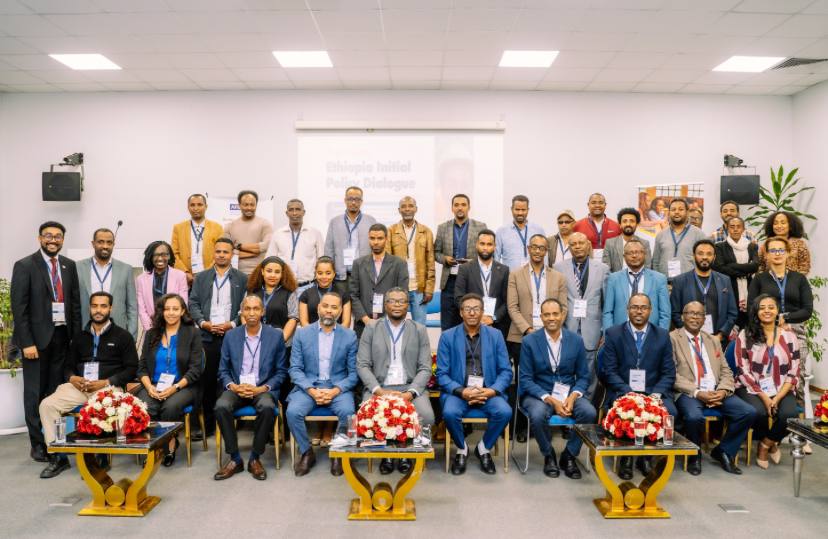
Ethiopia’s youth represent one of the nation’s greatest assets, yet ensuring their full participation in the economy remains a growing challenge. During a recent national dialogue on Youth Employment and Inclusive Development in Ethiopia, government officials, youth leaders, and development partners gathered to examine how policy frameworks can better serve young people in practice.
The Safe Light Initiative took an active role in the discussions, emphasizing the need to move from policy ambition to tangible impact. While Ethiopia has over a dozen youth-related policies, implementation gaps continue to limit progress. Participants agreed that young people must not only be beneficiaries but also co-creators of the policies that shape their future.
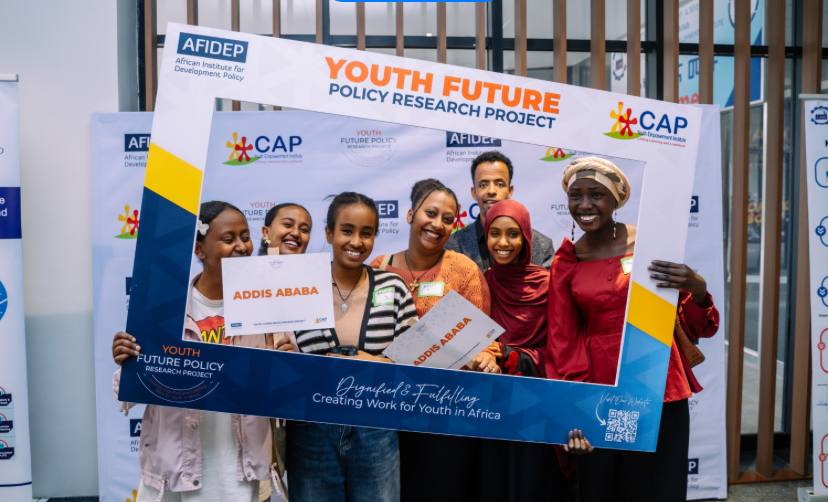
The dialogue highlighted that strong frameworks alone are not enough without clear accountability, coordination, and measurable outcomes. Overlapping mandates across institutions and inconsistent implementation have widened the policy gap. To address this, stakeholders called for improved inter-agency collaboration and better alignment between government, civil society, and the private sector.
Panelists also urged the inclusion of youth voices at every level from research and planning to monitoring and evaluation. True inclusiveness, they stressed, means giving young people the authority and tools to shape solutions themselves.

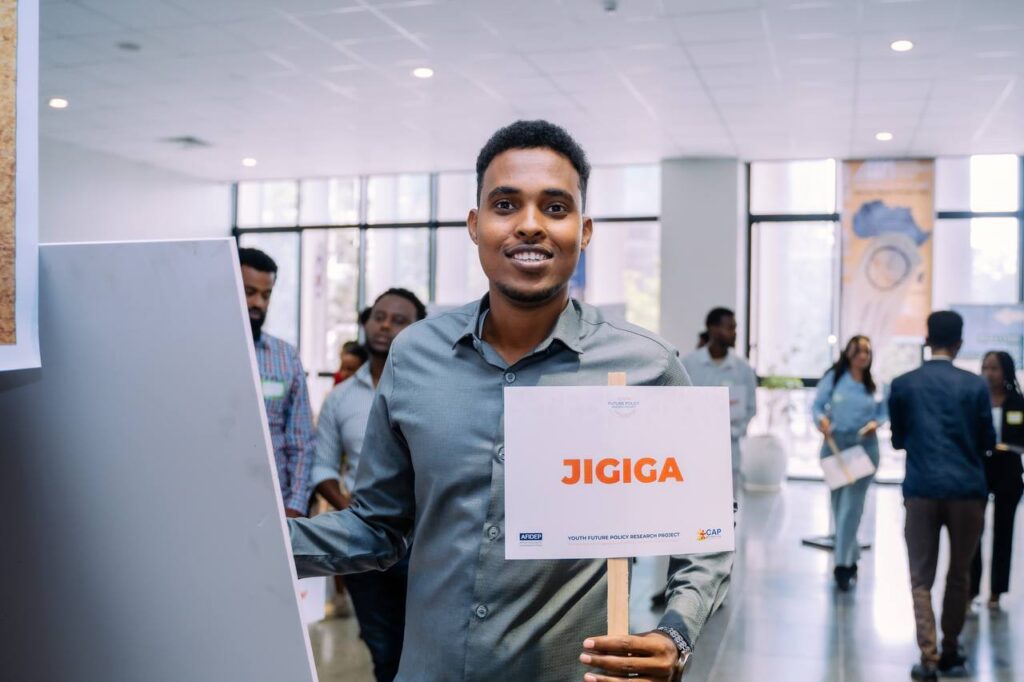
A key topic was the mismatch between education and employment. Despite steady economic growth, many graduates struggle to find decent jobs that match their qualifications. Much of the education system remains theoretical, and many curricula are outdated.
The government’s Five Million Coders Program was praised as a promising digital initiative that empowers youth with in-demand tech skills. With over 1.6 million young people already enrolled, the program offers free training in software development, data management, and entrepreneurship. Participants encouraged expanding awareness of such initiatives and ensuring they reach marginalized youth across the country.
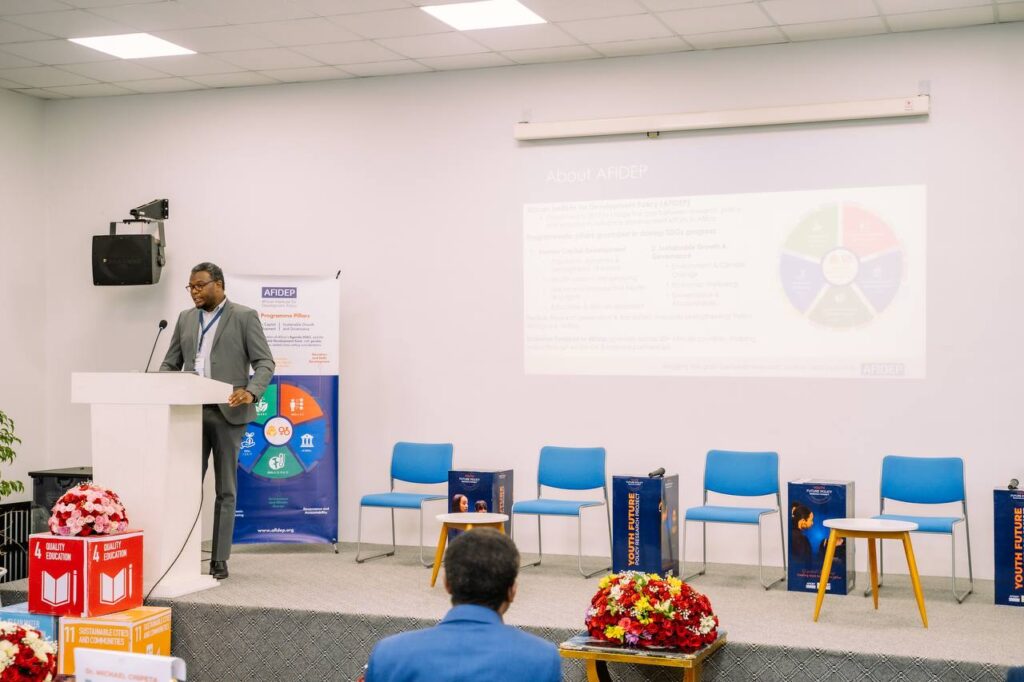
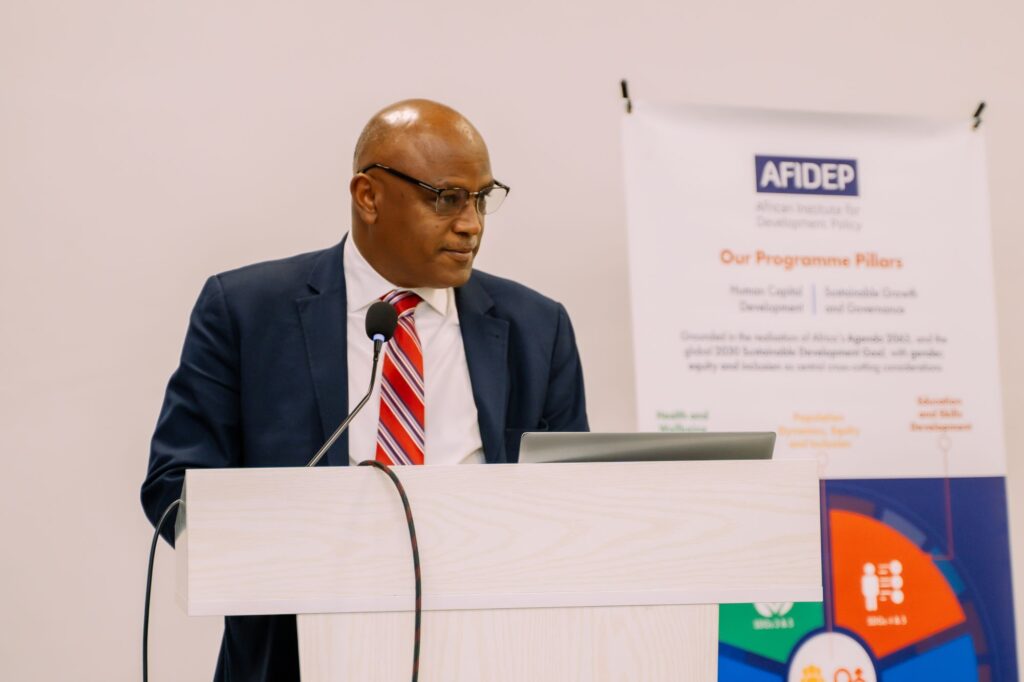
Gender gaps in employment continue to pose a serious concern. National data shows that unemployment among young women (18%) is nearly double that of young men (9%). Participants called for targeted interventions to close this gap from expanding financial access to investing in women-led startups and skills training.
Safe Light Initiative reaffirmed its commitment to gender-responsive programs and to ensuring that inclusion remains at the center of youth policy discussions.
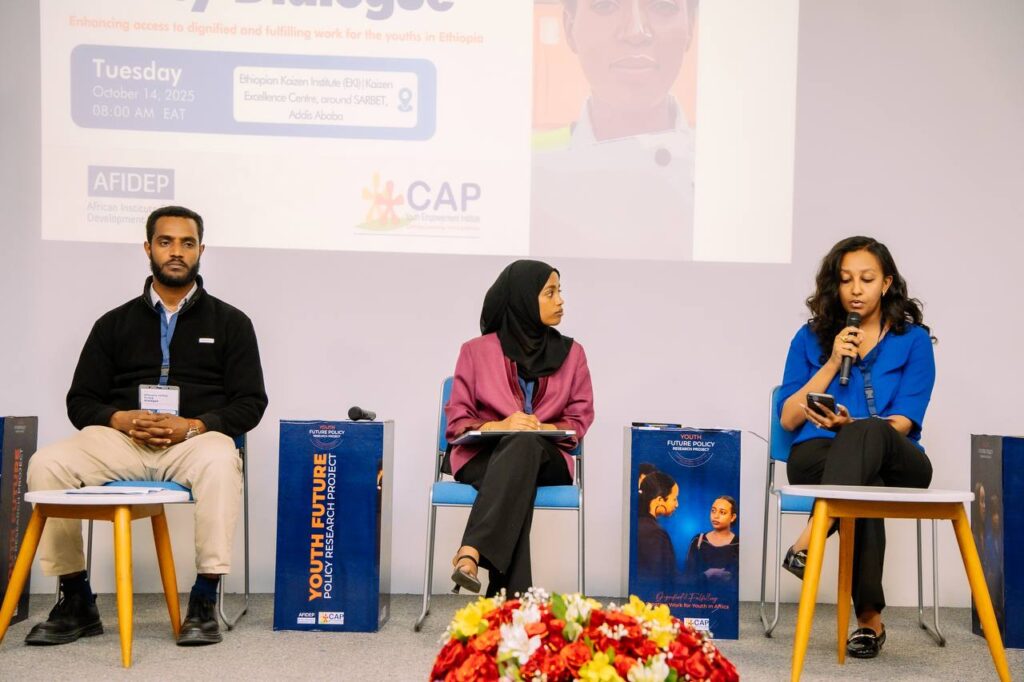
The session concluded with a shared vision: Ethiopia’s future depends on how it equips its young people today. As one participant summarized, “Policies mean little unless they open real doors for the next generation.”
Safe Light Initiative continues to work alongside ministries, private sector partners, and youth-led organizations to turn policies into pathways creating spaces where young people can thrive, lead, and drive sustainable development across Ethiopia.
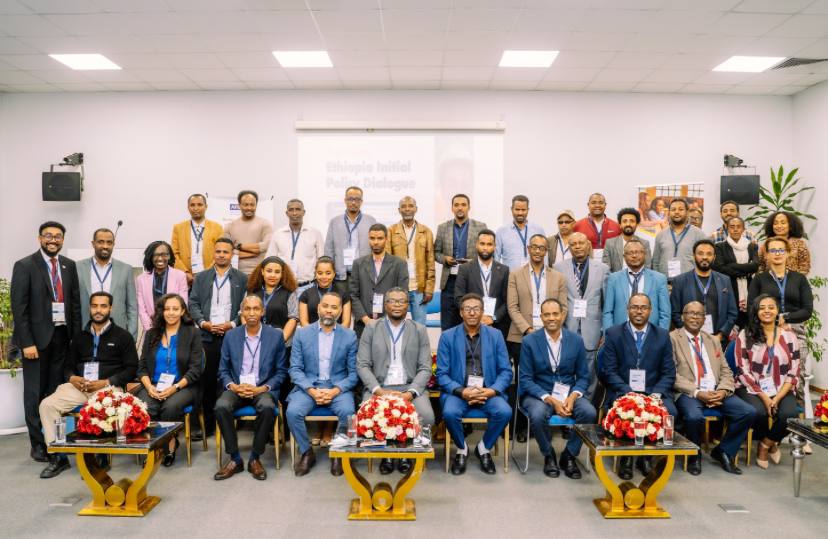
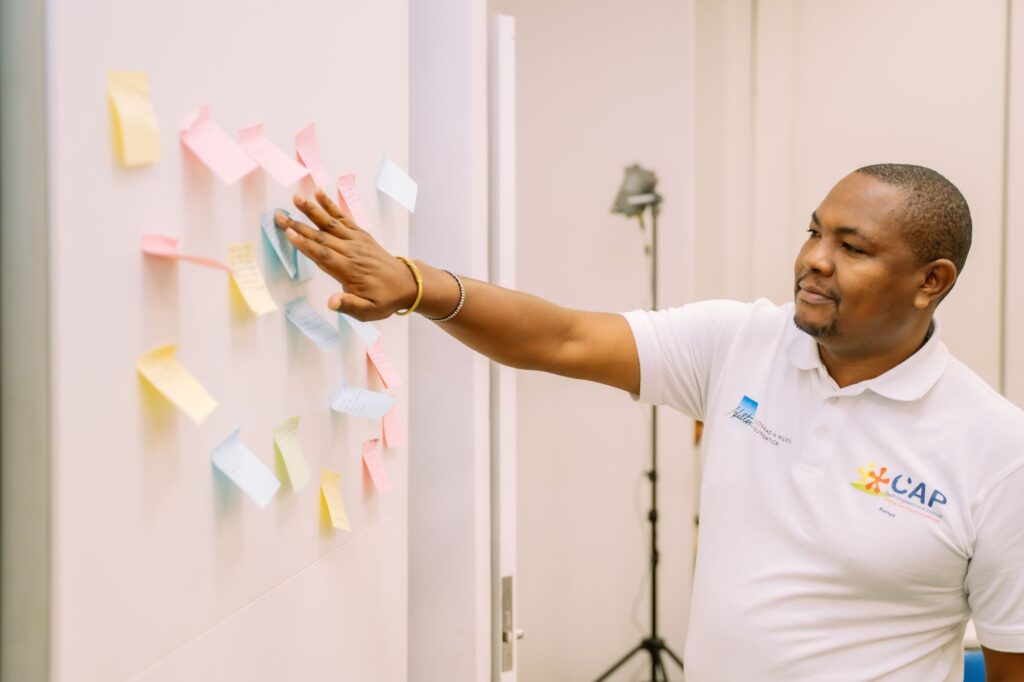
As one speaker noted, “Policies must open real doors for young people.” The sentiment echoed across the session that Ethiopia’s future depends on how effectively it empowers its youth today.
Through continued collaboration with AFIDEP, CAP, and national stakeholders, Safe Light Initiative remains committed to turning policy discussions into measurable outcomes — creating inclusive spaces where young people can learn, innovate, and lead the country’s sustainable growth.

It is really an interesting blog, but the issue of the rural youth that constitute a large portion of the country’s youth and are threatened by different factors, including instability and peace, backward agriculture, landlessness, limited agripreneurship capacity, devoid of access to finance, etc.. needs to be addressed and discussed widely.