Address
Brass next to White House Hotel, Addis Ababa
Work Hours
Monday to Friday: 9am – 5pm
Sat: 9am – 1pm
Address
Brass next to White House Hotel, Addis Ababa
Work Hours
Monday to Friday: 9am – 5pm
Sat: 9am – 1pm


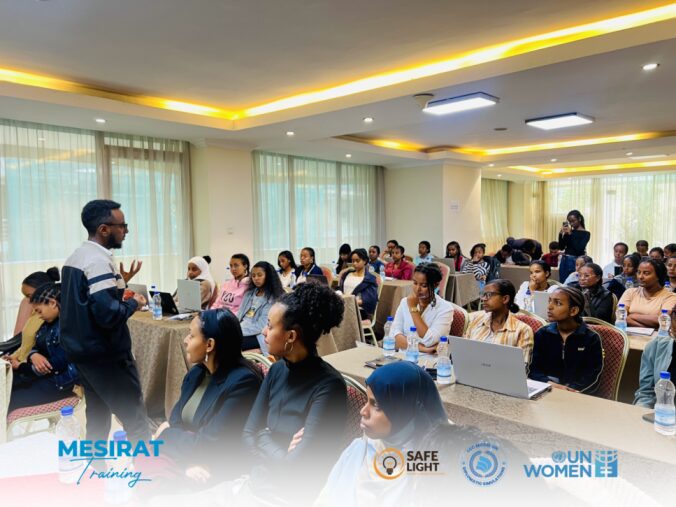
What makes someone a great entrepreneur? Is it capital? A flashy pitch deck? A list of buzzwords?
Maybe.
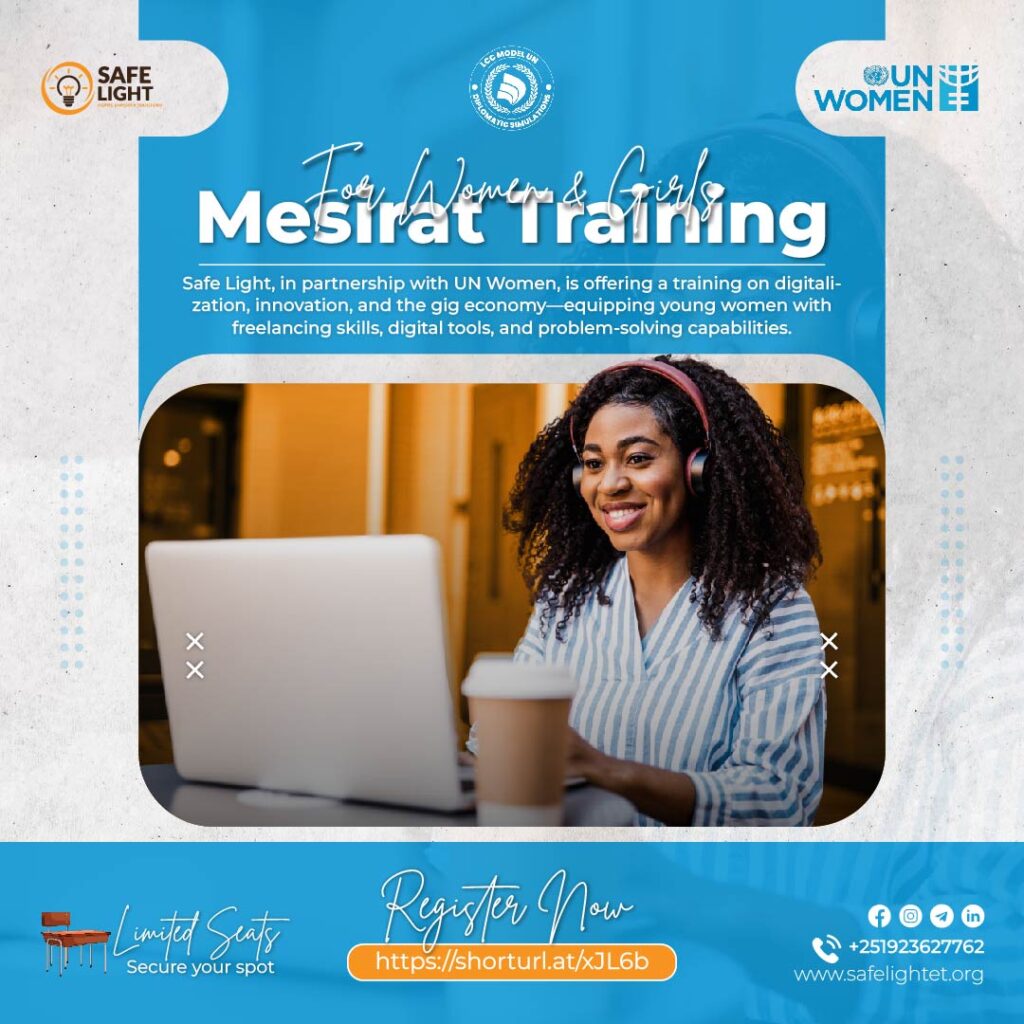
But suppose you were in the MESRAT Training room with us, organized by UN Women in collaboration with Safe Light Initiative, led by brilliant minds, and surrounded by visionaries. In that case, you’d realize it’s something deeper:
The generic meaning, an irresistible offer, is about making your offer so clear, so valuable, so good, and so tailored that the person in front of you can’t help but say “yes.” It’s not manipulation. It’s value, amplified and undeniable.
But to truly understand it, I had to bring in a story.
One of my favorite stories is found in the Kebra Nagast (“Glory of the Kings”), Ethiopia’s national epic from the 14th century. It chronicles how Queen of Sheba, also known as Makeda, traveled from her kingdom seeking wisdom and healing. According to legend, she has a strange feature, a left foot that is cloven like a hoof, which drove her to King Solomon’s court not merely for advice, but for relief.
Makeda was curious, cautious, and determined. She arrived with precious gifts and riddles, testing Solomon’s intelligence and discernment. But she also came with pain, a physical and spiritual longing for a cure. Solomon understood her key motivations. He didn’t outshine her with gold or architecture. Instead, he subtly created need. According to the story, he served salty foods
Why?
Because salty food creates thirst, and thirst demands water.
In doing so, Solomon didn’t offer her a choice. He led her to a place where her need aligned with his value. That’s not trickery, that’s clarity.
An irresistible offer works the same.
It doesn’t leave space for a second guess.
It solves a problem so sharply, it becomes the obvious answer.
That’s the blueprint.
A good marketer, a smart entrepreneur, doesn’t beg for attention. They identify the pain, magnify the urgency, and deliver a solution that feels like relief. An irresistible offer isn’t about discounts, it’s about value that feels like survival.
The psychological insight of the story is simple: people pay more to avoid pain than to gain pleasure. Makeda came to Solomon seeking relief, not status. When marketing or selling a product, if your audience sees that you genuinely understand their discomfort and offer concrete relief, they won’t think twice.
That’s human behavior. That’s marketing insight.
So, if your product eases stress, shortens time, saves effort, or removes shame, you’re already closer to YES.
That’s what King Solomon did. That’s what Netflix does. And that’s what entrepreneurs must learn to master.
We explored the two types of value every entrepreneur must understand:
Intrinsic Value: the actual, measurable worth of your product. The kind you can’t fake without shame later.
Perceived Value: what your customer believes it’s worth based on branding, emotion, presentation, and relevance.
The equation is simple:
Value = (Dream Outcome × Perceived Likelihood of Achievement) / (Time Delay × Effort × Sacrifice)
Netflix wins because it minimizes time, effort, and sacrifice. It feels effortless. That’s value. That’s selling peace.
You don’t have to manipulate people to say yes. You don’t have to fake scarcity or inflate features. You just need to know your value, understand their pain, and craft a bridge that feels natural to cross. That’s what MESRAT Training gave us: a shift in mindset. Not just “what to sell,” but how to see what we have as enough. Not just how to price a product, but how to tell a story that sticks.
Not just entrepreneurship, but ownership of our ideas.
