Address
Brass next to White House Hotel, Addis Ababa
Work Hours
Monday to Friday: 9am – 5pm
Sat: 9am – 1pm
Address
Brass next to White House Hotel, Addis Ababa
Work Hours
Monday to Friday: 9am – 5pm
Sat: 9am – 1pm


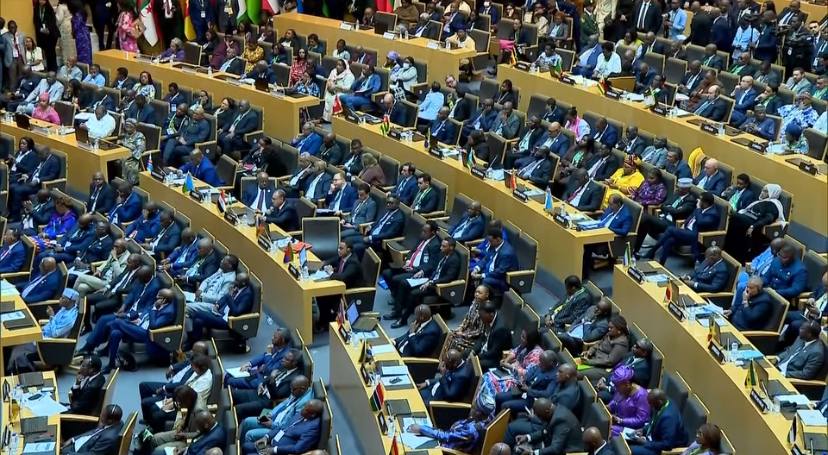
H.E. Dr. Abiy Ahmed’s recent address at the African Union carried a clear message: Africa must lead its own green transition. The speech did not frame the continent as a victim of climate change. It framed Africa as a decision-maker in the global climate agenda.

This distinction matters. Africa contributes the least to global emissions, yet it faces some of the worst climate impacts. Floods, droughts, and food insecurity affect millions each year. Yet climate responses are often designed outside the continent. Many projects arrive with funding but leave little lasting capacity. This weakens local ownership and long-term impact.
The speech challenged this pattern. It called for African leadership in climate policy, financing, and implementation. Climate action cannot succeed if it is imported. It must be shaped by local realities, institutions, and priorities. When African states design their own green pathways, solutions become more durable and more just.
Climate leadership is also about power. Control over renewable energy systems, climate finance, and green industries shapes future economies. Africa holds vast renewable potential and growing human capital. If managed well, the green transition can create jobs, support local industries, and strengthen energy security. If managed poorly, it can repeat old models of dependency under a new label.
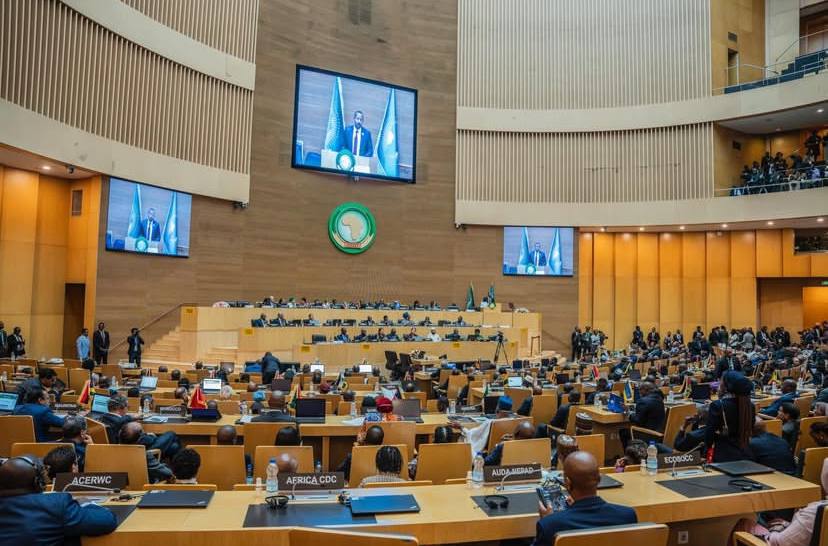
This is why continental coordination matters. The African Union provides a platform for shared positions on climate finance, adaptation support, and technology access. Collective action turns climate policy into a tool for strategic influence, not only survival.
For young Africans, this message is urgent. The green transition will shape their jobs, cities, and futures. Across the continent, young people are already building climate solutions in clean energy, sustainable farming, and urban resilience. What they need is political backing, access to finance, and space in decision-making. Youth leadership should not sit at the margins of climate policy. It should sit at its center.

At Safe Light Initiative, this vision aligns with our mission. Climate action is not only about the environment. It is about leadership, governance, and opportunity. Building resilient cities and inclusive green economies requires skilled leaders who can turn ideas into policy and policy into impact. When young people lead climate solutions, sustainability becomes part of how societies grow, not an external project added later.
The key message from this address is simple but powerful. Africa does not need to wait for others to define its green future. The continent has the knowledge, the people, and the resources to lead. What it needs is the political will to own the process.
