Address
Brass next to White House Hotel, Addis Ababa
Work Hours
Monday to Friday: 9am – 5pm
Sat: 9am – 1pm
Address
Brass next to White House Hotel, Addis Ababa
Work Hours
Monday to Friday: 9am – 5pm
Sat: 9am – 1pm


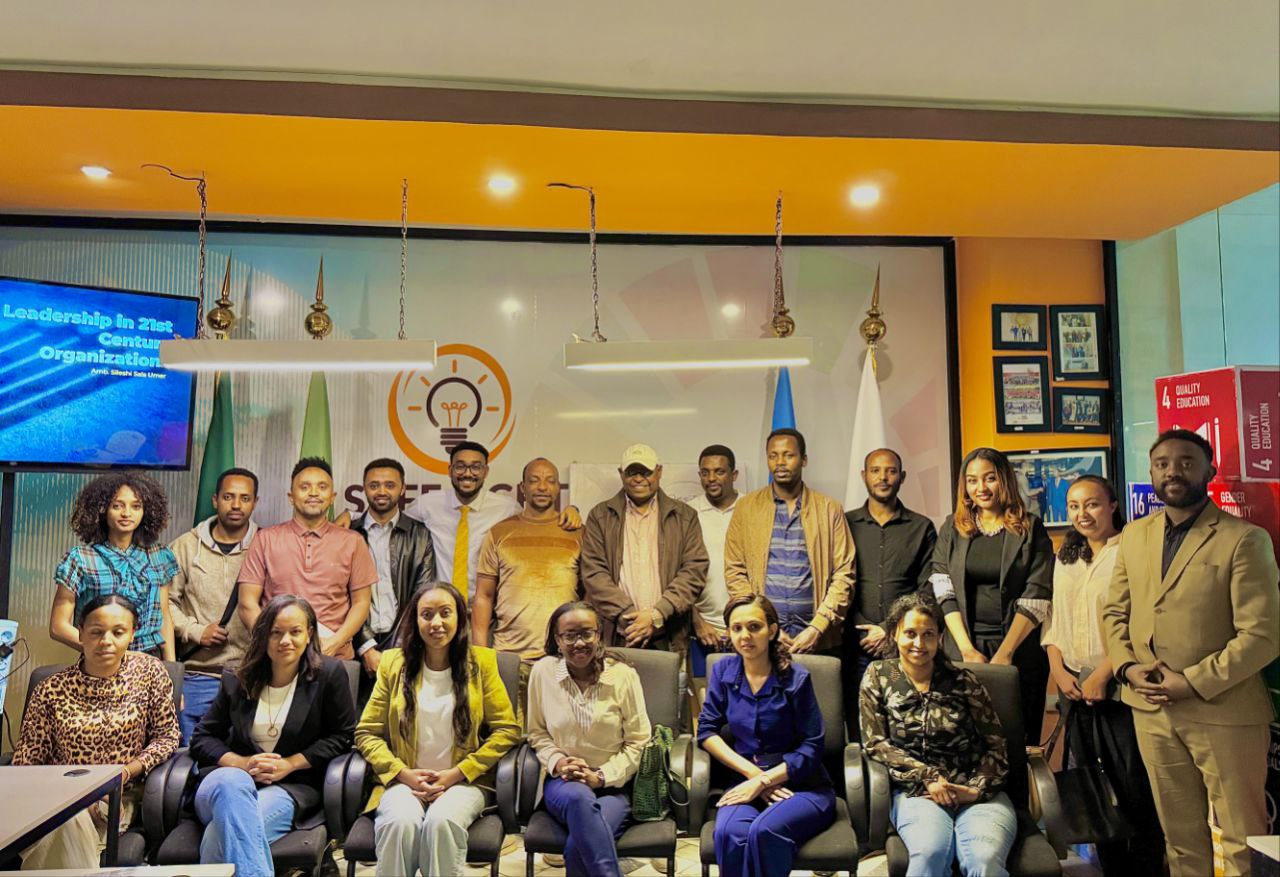
When we talk about youth development, we often rush to the obvious: funding, job placement, technical skills. But beneath those pillars lies something even more transformative soft skills.
Confidence. Communication. Teamwork. Emotional intelligence. These are the qualities that often determine whether a young person simply survives… or thrives. That’s why soft skills for youth empowerment must be treated as a core part of any development strategy.
Through Safelight Initiative’s work with youth across Ethiopia from refugee inclusion to climate resilience we’ve seen a clear pattern: It’s not just about what youth can do. It’s about whether they believe they can do it.
During initiatives like the Kulehe Youth-to-Youth Fund Project and the YOU-LEDD Seminar on climate resilience, we’ve observed firsthand how targeted soft skill trainings create powerful shifts in youth engagement. In these session, youth who once hesitated to speak begin to lead discussions. Those afraid to share ideas start mentoring others. And it’s not because they received a certificate it’s because someone gave them space to grow in confidence.
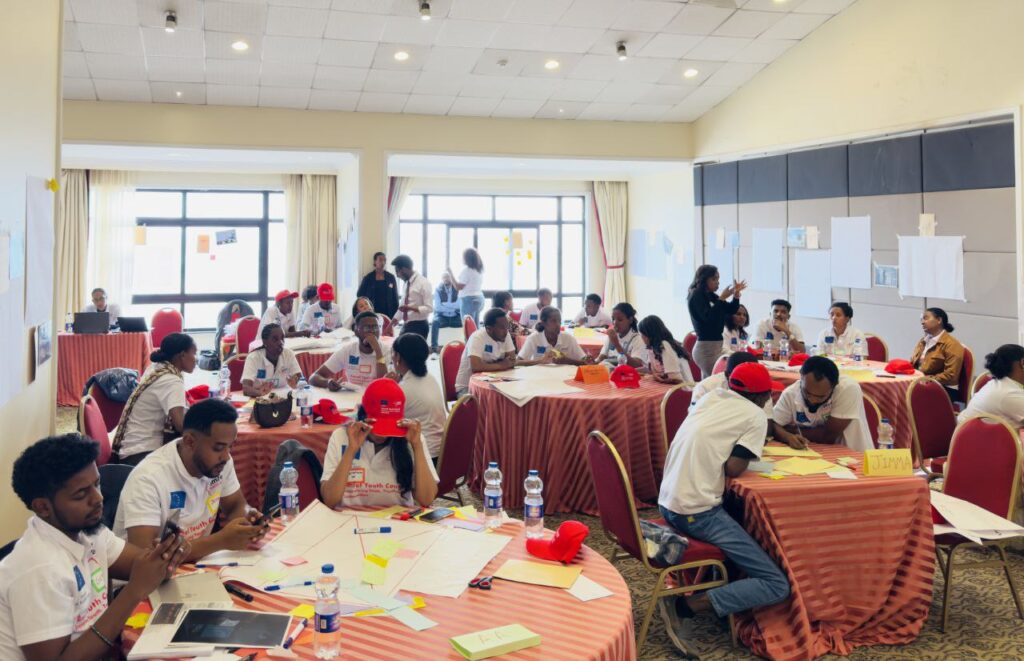
We’ve witnessed how self-awareness, listening, adaptability, and collaboration can unlock dignity for participants especially for marginalized groups like refugee youth, girls, and persons with disabilities.
While hard skills get the attention, it’s soft skills that get youth hired and help them stay employed. Employers value those who can solve problems, communicate effectively, and work well in teams.
Soft skills like adaptability, emotional intelligence, effective communication, conflict resolution, reliability, and teamwork are what help young people not only secure jobs but grow in them, build relationships, and handle change with confidence
Programs that overlook this reality miss the full picture. Youth don’t just need knowledge. They need readiness.
If we want youth to lead, innovate, and contribute meaningfully, we must do more than equip them with tools. We must believe in their potential, help them believe in themselves, and nurture the mindset that fuels sustainable success.
A person with strong soft skills often demonstrates empathy, accountability, openness to feedback, and the ability to work across differences. These traits build trust and foster positive environments where collaboration thrives.
That’s the power of soft skills and it’s time we treat them not as a bonus, but as a core investment in the future.
📍 This blog reflects Safelight Initiative’s continued commitment to youth development, inclusion, and sustainable leadership.
